- Home
- About
- Practice Areas
- Personal Injury Overview
- Car Accidents
- Bicycle Accidents
- Burn Injury
- Brain Injury
- Dog Bite
- Vibrio Vulnificus
- Infection from Saline Solution
- Motorcycle Accidents
- Pedestrian Accident
- Product Liability
- Scooter Accident
- Slip and Fall Accidents
- Spinal Cord Injury
- Underinsured Driver Accident
- Rideshare Accident
- Truck Accident
- Wrongful Death
- View All +
- Testimonials
- Resources
- Cities
- Español
- Contact

Helping Colorado’s accident
victims for over 25 years.
victims for over 25 years.
Denver Electric Bicycle Accident Attorney

E-bikes are changing how people get around Denver, and they’re changing the nature of injuries we see too. When a crash happens, the road to fair compensation can be rough, but we know how to navigate it.
If you’ve spent any time on Denver’s streets or trails recently, you know e-bikes are everywhere. They’re commuting tools, recreation, and for many people, a genuine alternative to driving. Colorado has fully embraced them, and the state even offers a tax credit to help people buy one.
But with that growth has come a real rise in serious injuries. In 2024 alone, Denver recorded 264 crashes involving bicycles and e-bikes. E-bike crashes tend to be more severe than traditional bicycle accidents because of the added speed and weight. Studies show that e-bike riders are more likely than regular cyclists to suffer internal injuries and require hospitalization.
These cases are also legally complicated in ways that ordinary bicycle accidents are not. The insurance question alone, who’s liable, whose policy covers what, can be tricky. That’s where having the right attorney matters from the start.
Scott O’Sullivan has been representing injured Coloradans for over 25 years, and he’s watched firsthand as e-bikes have reshaped Denver’s traffic and the injuries that come with it.
If you or someone you love was hurt in an e-bike crash, give us a call or text at 303-388-5304 for free advice, any time.
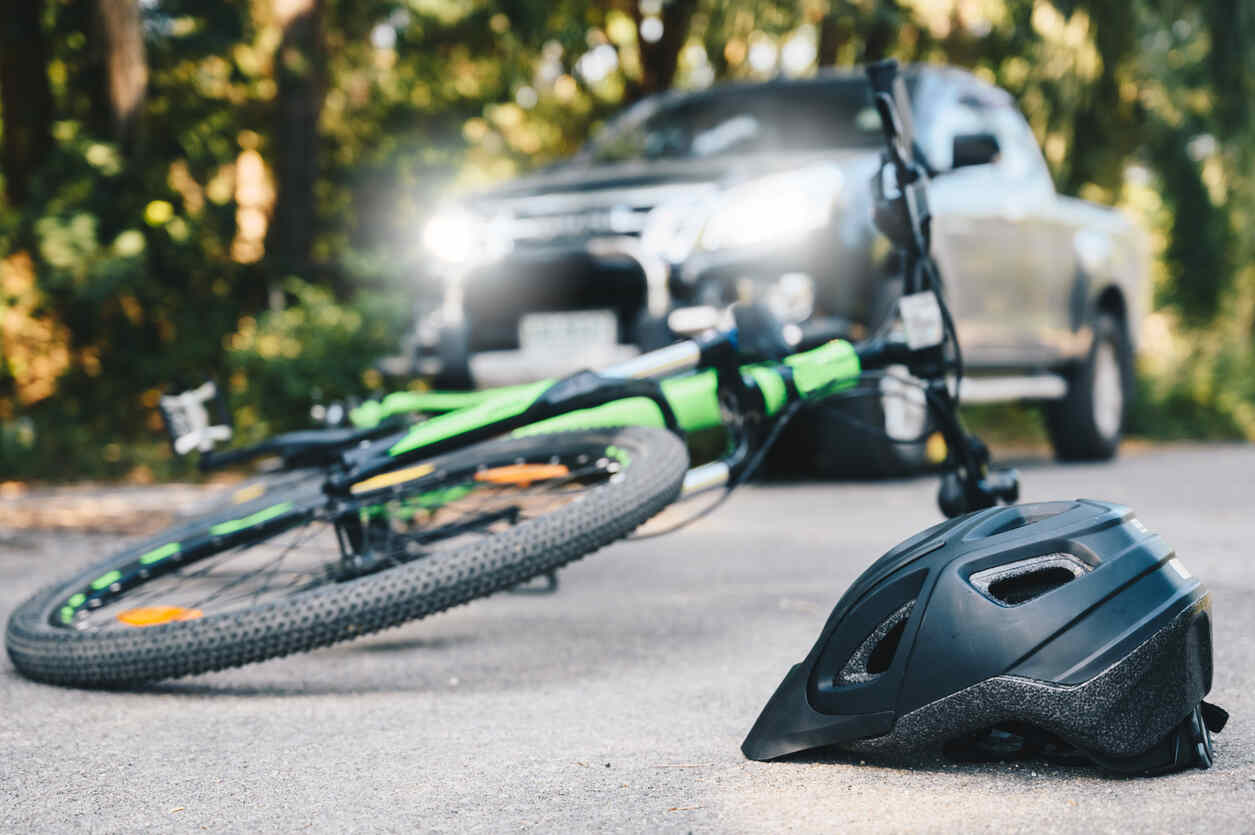
Understanding How Colorado Classifies E-Bikes, and Why It Matters for Your Case
Colorado law divides electric bicycles into three classes, and the class of the bike involved in your accident can directly affect questions of liability, where the accident occurred legally, and what rules each rider was supposed to follow.
Class 1 – Pedal-Assist Only (up to 20 mph)
Motor assists only while pedaling. The most common type on shared paths. Allowed on most bike paths where traditional bicycles can ride.
Class 2 – Throttle-Assisted (up to 20 mph)
Motor can operate without pedaling. Also generally allowed on most bike paths, subject to local rules. Very common in rental fleets.
Class 3 – High-Speed Assist (up to 28 mph)
The fastest class. Restricted from most shared bike and pedestrian paths. Riders must be at least 16; those under 18 must wear a helmet.
Colorado does not require a driver’s license, registration, or insurance to operate an e-bike, as long as it meets the legal definition and its motor doesn’t exceed 750 watts. That last point becomes important when accidents happen: if a bike has been modified or misrepresented, different rules may apply, and liability can shift accordingly.
The 2025 state legislature also passed new requirements under House Bill 25-1197, strengthening safety standards for lithium-ion batteries and tightening rules around how e-bikes are sold and labeled. These changes reflect just how quickly this area of law is evolving. There has also been a crackdown on these regulations recently.
“The volume of cars, the speeds, the onset of electric bikes and scooters, they have all made our roads more dangerous. Sadly, this also means that victims are often seriously injured and facing very difficult journeys ahead.” – Scott O’Sullivan, Founder, The O’Sullivan Law Firm
E-Bike Accidents Present Legal Challenges That Go Beyond a Typical Bicycle Crash
If you’ve been in a car accident, you understand roughly how the insurance process works. E-bike cases are different, and in several ways that can hurt you if you don’t have experienced guidance from the start.
No Required Insurance on the E-Bike Side
Colorado does not require e-bike riders to carry liability insurance. If an e-bike rider caused your injuries, they may have no policy to pay a claim. Recovery may depend on your own uninsured motorist coverage, a homeowner’s or renter’s policy, or a products liability claim against a manufacturer. An attorney can identify every available source of compensation.
Car Driver Hit You? The Fight Isn’t Over.
When a motor vehicle driver causes a crash with an e-bike rider, many insurers initially treat the claim like a minor bicycle accident. They undervalue the severity of e-bike injuries and push for fast, low settlements.
We’ve spent over 25 years pushing back on that approach, and we don’t stop until we’ve secured the maximum compensation.
Where You Were Riding Can Affect Fault
Class restrictions, local trail rules, sidewalk ordinances, and Denver’s own regulations all play a role in determining who was following the law at the time of a crash.
These details matter, and they’re the kind of thing insurers will use against you if you’re not prepared. We investigate the full picture before any claim is filed.
Defective Equipment and Product Liability
Lithium-ion battery fires, mechanical failures, and substandard components from overseas manufacturers have all contributed to serious e-bike injuries in Colorado.
If equipment failure played a role in your accident, a products liability claim against the manufacturer may be possible, and those cases require careful, early evidence preservation.
E-Bike Crashes Cause Serious Harm
Because e-bikes travel faster than traditional bicycles and riders have little physical protection, the injuries from a collision can be severe, and often far worse than they first appear. Don’t assume your injuries are minor because you were “just on a bike.”
Traumatic Brain Injury
Head injuries are among the most common and serious consequences of e-bike crashes, even when a helmet is worn.
Spinal Cord Injuries
High-impact collisions can cause disc damage, nerve injuries, and in the worst cases, partial or complete paralysis.
Internal Injuries
Studies show e-bike riders suffer internal injuries at higher rates than traditional cyclists, injuries that may not be obvious immediately after a crash.
Broken Bones and Fractures
Wrist, arm, collarbone, and hip fractures are common when riders are thrown from their bikes or struck by vehicles.
Road Rash and Soft Tissue Injuries
Severe abrasions and ligament or tendon damage can require extensive treatment and may result in long-term limitations.
Wrongful Death
When an e-bike crash takes a life, we represent the families left behind with the same tenacity we give to every case. You can read about new legislation regarding wrongful death here.
One thing we tell every client: seek medical attention immediately after a crash, even if you feel okay. Concussions, internal injuries, and soft-tissue damage frequently don’t show their full extent for hours or days. Documenting your injuries right away also protects your legal claim.
Full Compensation Means More Than Just Medical Bills
Insurance companies are in the business of settling claims for as little as possible, and quickly. We are not in that business.
We take the time to understand the full cost of what happened to you, and we don’t recommend settlement until that picture is complete.
Medical Expenses
Emergency care, hospitalization, surgery, physical therapy, and all future medical needs related to your injuries, both immediate and long-term.
Lost Wages and Earning Capacity
Time missed from work during recovery, and when injuries are lasting, compensation for reduced ability to earn in the future.
Pain and Suffering
The physical pain and emotional toll of a serious injury are real losses. Colorado law allows you to seek compensation for non-economic damages, and we fight for those too.
Property Damage
Your e-bike and any other personal property damaged in the crash. We handle property damage as part of our full-service representation, so you don’t have to navigate that separately.
Who Pays When There’s No E-Bike Insurance Policy?
This is one of the most common questions we hear from e-bike accident victims, and the honest answer is: it depends on the circumstances, which is exactly why you need someone who knows how to investigate thoroughly.
If a motor vehicle driver was at fault, their auto liability coverage is the starting point. But Colorado’s minimum coverage limits often aren’t enough for serious injuries, and underinsured motorist coverage becomes critical. We review every available policy from day one.
If the at-fault party was another e-bike rider, recovery may come from their homeowner’s or renter’s insurance, assuming they have it, or through a personal judgment. In some cases, poor road conditions point to a potential claim against a government entity, which comes with strict filing deadlines.
And if a defective component, such as a battery, brake system, or structural failure, contributed to your crash, a products liability claim may open a completely separate avenue for recovery. We’ve seen manufacturers cut corners to reduce costs, and Colorado law provides recourse when that negligence causes harm.
The point is: don’t accept “there’s no insurance” as the final word. There often is a path to compensation, but finding it requires someone who knows where to look.
What to Expect When You Work With The O’Sullivan Law Firm on Your E-Bike Case
We keep our firm small by design. When you hire The O’Sullivan Law Firm, an attorney (not a paralegal, etc.) handles your case from your first phone call to the resolution of your claim.
- Free Consultation – We meet you where it’s convenient, whether that’s our Denver office, your home, or the hospital if needed. You will speak directly with an attorney, not a screener. There’s no cost and no obligation.
- Full Investigation – We gather accident reports, medical records, witness statements, and any available footage. For equipment-related crashes, we preserve evidence before it disappears. We build the complete picture before we make any claim.
- Negotiation and Demand – We deal with insurance companies directly so you don’t have to. We don’t accept the first offer. We present a complete demand package backed by evidence, and we negotiate from a position of strength.
- Trial, If Necessary – Most cases settle, but we never settle for less than what’s fair. If the insurance company won’t do right by you, we are prepared to take your case to trial. That willingness is part of what makes our negotiations work.
Read more about when to settle vs going to trial here.
Why It Matters That an Attorney, Not a “Case Manager”, Handles Your Case
There’s a meaningful difference between a law firm where you’re passed from intake coordinator to paralegal to associate attorney, and one where a single experienced lawyer knows your story from day one.
Scott O’Sullivan started this firm with one commitment: that the attorney who signs your retainer agreement is the attorney who works your case. That hasn’t changed. Our team is small on purpose, because serious injury cases require serious attention, not assembly-line processing.
Scott came up as an insurance defense attorney, which means he knows how insurers think, what they look for, and where they try to take advantage of people who don’t have experienced representation. That background shapes everything about how we fight for our clients.
“I became a lawyer to help others and it remains my calling in life. In fighting for victims’ rights, we side with the underdogs, the people who were injured due to someone else’s negligence.” – Scott O’Sullivan
- 25+ years representing injured Coloradans in Denver and throughout the state
- 99% success rate across 2,000+ resolved cases since 2008
- 4.9-star average Google rating based on over 100 client reviews
- No fee of any kind until we win your case
Common Questions About E-Bike Accident Claims in Colorado
Do I have a case if I wasn’t wearing a helmet?
Possibly, yes. Colorado does not have a universal helmet law for adults on e-bikes. Helmets are only required for riders under 18 on Class 3 bikes. Even if you weren’t wearing a helmet, you may still recover compensation.
Colorado uses a comparative negligence system, which means your recovery is reduced by your percentage of fault, but not eliminated unless you are found to be more than 50% responsible. We’ll evaluate the full circumstances of your case.
What if the other party doesn’t have insurance?
This is common in e-bike cases. We investigate every available source of compensation, including your own underinsured or uninsured motorist coverage, the other party’s homeowner’s or renter’s policy, or in some cases a products liability claim against a manufacturer. Don’t assume there’s nothing to recover without talking to us first.
How long do I have to file a claim in Colorado?
Generally, Colorado’s statute of limitations for personal injury claims is three years from the date of the accident. However, if a government entity, such as a municipality with poorly maintained roads, may be liable, you may have as little as 180 days to file a notice of claim. Don’t wait on this. The sooner we begin, the better we can preserve evidence and protect your rights.
What if the accident was partly my fault?
Colorado’s comparative negligence law means you can still recover damages even if you were partially at fault, as long as you were less than 50% responsible. Your compensation is reduced proportionally. We work to make sure fault is assessed accurately and that you’re not assigned blame that belongs elsewhere.
Can I still have a case if my injuries weren’t obvious right away?
Absolutely. This is one of the most important things to understand about e-bike crash injuries. Concussions, internal injuries, and soft tissue damage often don’t show their full extent for hours or days.
That’s why we always advise people to seek medical attention immediately after a crash, even if they feel alright. And it’s why you shouldn’t speak with insurance adjusters or sign anything before consulting with us.
Your Consultation Is Free. Your Attorney Is Ready to Listen.
E-bike crash cases move fast. Evidence disappears, people’s stories change, and insurance companies start building their defense. The best time to call is now.
Call or text (303) 388-5304.
The information on this page is for general informational purposes and does not constitute legal advice. Contact our office to discuss the specific facts of your case.
