- Home
- About
- Practice Areas
- Personal Injury Overview
- Car Accidents
- Bicycle Accidents
- Burn Injury
- Brain Injury
- Dog Bite
- Vibrio Vulnificus
- Infection from Saline Solution
- Motorcycle Accidents
- Pedestrian Accident
- Product Liability
- Scooter Accident
- Slip and Fall Accidents
- Spinal Cord Injury
- Underinsured Driver Accident
- Rideshare Accident
- Truck Accident
- Wrongful Death
- View All +
- Testimonials
- Resources
- Cities
- Español
- Contact

Helping Colorado’s accident
victims for over 25 years.
victims for over 25 years.
Bicycle, E-Bike, and Scooter Accidents in Colorado
POSTED BY
March 12, 2026
Bicycle
Bicycle/Motorcycle Accidents
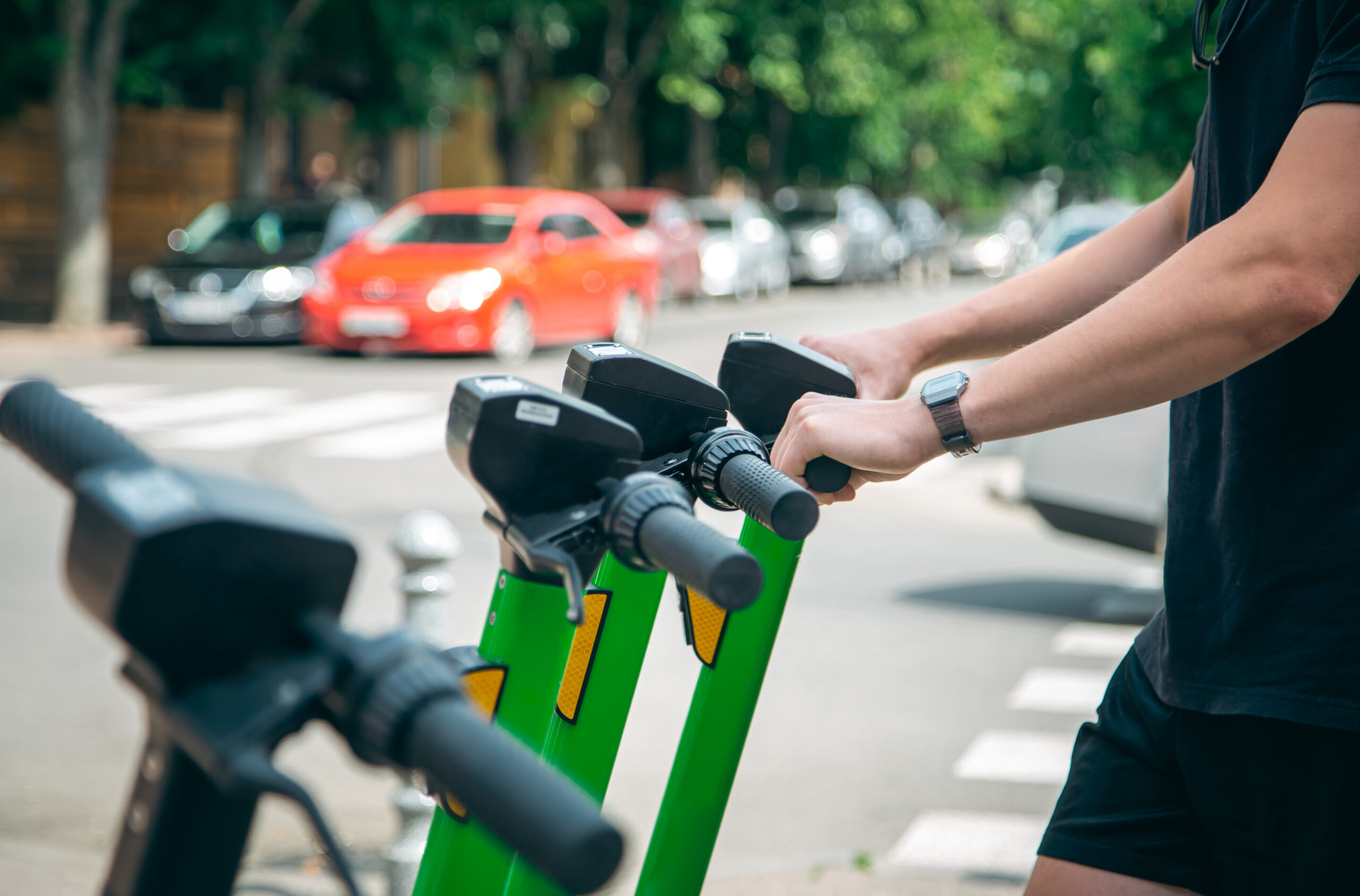
As the weather warms in Denver, bike lanes and shared roads fill quickly. Traditional bicycles, e-bikes, and electric scooters are now part of everyday traffic in LoDo, RiNo, Capitol Hill, and along the Cherry Creek Trail.
They are efficient. They are convenient. And they are increasingly involved in serious injury cases.
At The O’Sullivan Law Firm, Scott O’Sullivan and his team represent injured cyclists and riders across Colorado. Whether a crash involves a car, an e-bike, or a scooter, the legal question remains the same: who failed to operate safely?
“Most of these cases come down to attention and awareness,” Scott says. “Someone wasn’t looking, or didn’t take the time to share the road the way the law requires.”
Understanding E-Bike Classifications
Colorado divides e-bikes into three categories:
- Class 1: Pedal assist up to 20 mph
- Class 2: Throttle capable up to 20 mph
- Class 3: Pedal assist up to 28 mph
These classifications describe how the motor functions. They are not roadway speed limits. Riders still must follow posted limits, signals, and local rules about where bikes are allowed.
Electric scooters are generally treated similarly to bicycles under traffic laws, though Denver restricts sidewalk riding with certain exceptions.
Classification can matter in a case, especially when speed, location, or local ordinances become part of the liability analysis.
When a Car Hits a Rider
The most serious injuries typically occur when a motor vehicle is involved.
Common scenarios include:
- Drivers turning left across a cyclist’s path
- Vehicles crossing bike lanes without checking mirrors
- Doorings along busy city streets
- Unsafe lane changes
- Drivers failing to yield at intersections
Colorado law requires motorists to share the road. Cyclists and scooter riders have the right to use bike lanes and, in many situations, the roadway itself.
Insurance companies often try to shift blame onto the rider.
“We see insurers argue that a cyclist was going too fast or came out of nowhere,” Scott says. “That’s why we dig into the details, camera footage, vehicle data, and witness accounts to understand what really happened.”
When Riders Collide With Pedestrians
Not every crash involves a car.
In dense areas of Denver, riders can collide with pedestrians, especially in high-traffic zones or along shared paths. Maybe you’ve seen it happen. Now, you have delivery riders moving quickly through crowded areas which increases that risk.
Liability in these cases may involve:
- The individual rider
- A rental scooter company
- A delivery platform
- A homeowner or umbrella insurance policy
Identifying all available insurance coverage is often one of the most important parts of the case.
Injuries Are Often Severe
Cyclists and scooter riders have little protection. Even moderate-speed impacts can cause serious harm. When you add heavy e-bikes and scooters to a collision, the injuries only get worse.
Common injuries include:
- Traumatic brain injuries
- Wrist and collarbone fractures
- Spinal injuries
- Facial trauma
Helmet use can reduce certain injuries, but negligent driving can cause serious damage regardless.
“These are vulnerable riders,” Scott explains. “When a car hits a cyclist or a scooter rider, the consequences are rarely minor. That’s why these cases need to be handled with care from the very beginning.”
Scott and his team intentionally maintain a focused caseload so each client receives the attention needed to fully understand both immediate and long-term impacts.
Insurance Gaps and Complications
Electric mobility devices often fall into gray areas of insurance.
Auto insurance typically applies when a car is involved. But when it is not, coverage may depend on homeowner, renter, commercial, or rental platform policies. Scooter agreements may include liability waivers, but those do not automatically eliminate responsibility when negligence is involved.
“We spend a lot of time identifying where coverage actually exists,” Scott says. “Because in many of these cases, it’s not obvious at first.”
What To Do After a Crash
If you are injured:
- Call law enforcement and ensure a report is filed
- Get witness contact information
- Photograph the scene, vehicles, and roadway
- Seek medical attention, even for minor injuries(!)
- Speak with a lawyer before talking to insurers
Early action helps preserve evidence and protect your claim.
Shared Roads Require Shared Responsibility
Bicycles, e-bikes, and electric scooters are now part of daily life across Denver and Colorado. As their use grows, so do the risks for riders.
The principle remains simple. When someone fails to operate safely and another person is hurt, accountability follows.
Scott O’Sullivan and his team have decades of experience representing injured individuals across Colorado. If you or someone you love has been injured in a bicycle, e-bike, or scooter crash, call or text 303-388-5304 for free advice.
