- Home
- About
- Practice Areas
- Personal Injury Overview
- Car Accidents
- Bicycle Accidents
- Burn Injury
- Brain Injury
- Dog Bite
- Vibrio Vulnificus
- Infection from Saline Solution
- Motorcycle Accidents
- Pedestrian Accident
- Product Liability
- Scooter Accident
- Slip and Fall Accidents
- Spinal Cord Injury
- Underinsured Driver Accident
- Rideshare Accident
- Truck Accident
- Wrongful Death
- View All +
- Testimonials
- Results
- Resources
- Español
- Contact

Helping Colorado’s accident
victims for over 25 years.
victims for over 25 years.
Rising Colorado Pedestrian Deaths: How Insurers Shift Blame
POSTED BY
May 8, 2026
Colorado
Denver
insurance companies
Pedestrian
Personal Injury Law
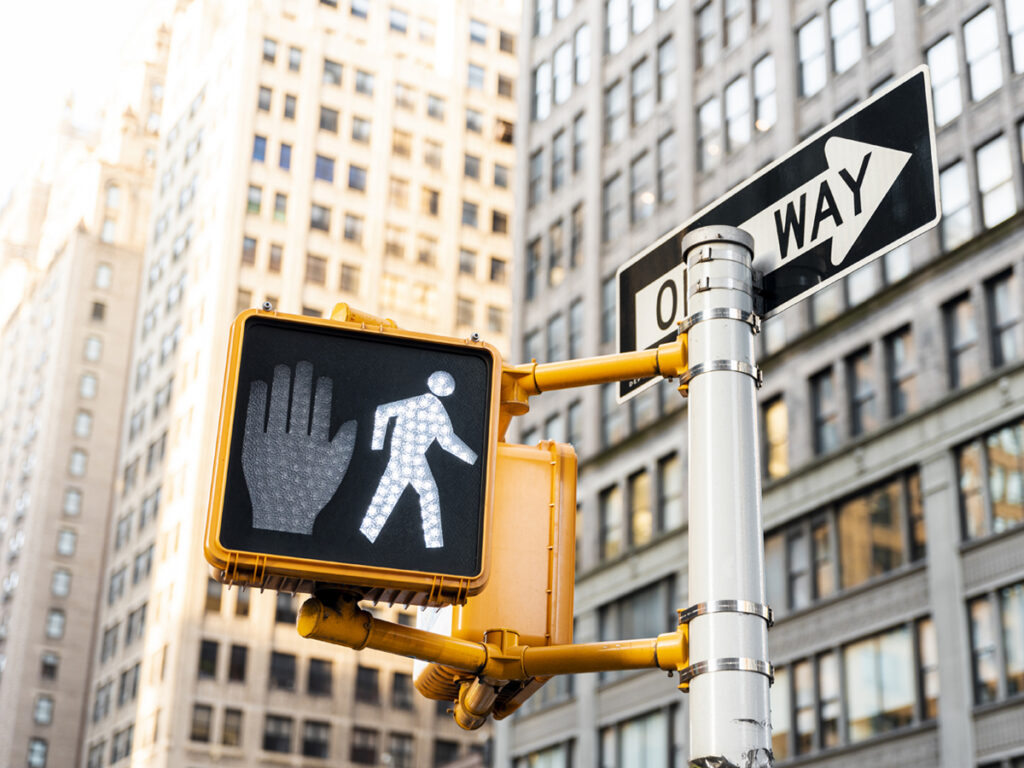
Colorado’s pedestrian safety problem is not abstract. It is showing up on neighborhood streets, intersections, downtown corridors, school routes and other roads people use every day.
The Colorado Department of Transportation reported that pedestrian fatalities in Colorado rose 98.4% from 2015 to 2025. Between 2020 and 2025, Denver had 140 pedestrian fatalities. As of early March 2026, Colorado had already recorded 12 pedestrian deaths. (Colorado Department of Transportation)
Denver’s numbers are just as concerning. The city’s Vision Zero dashboard reported 93 traffic deaths in Denver in 2025 and 20 traffic deaths in 2026 as of May 4. Rocky Mountain PBS reported that Denver’s 2025 traffic deaths included 35 pedestrians, making it the deadliest year since Denver joined Vision Zero.
Those numbers are not just statistics. They are people walking to work, crossing near home, heading to school, going to the grocery store or moving through neighborhoods that should be safe.
At The O’Sullivan Law Firm, we know how devastating these crashes can be. We also know how insurance companies try to shift blame onto the person who was hit.
A pedestrian crash may look simple from the outside: a person walking was struck by a vehicle. But the legal fight gets complicated. The insurance company may argue that the pedestrian crossed outside the crosswalk, stepped into traffic, wore dark clothing, looked at a phone, crossed too late, moved unpredictably or “came out of nowhere.”
Those arguments can be frightening and discouraging for someone who is already injured.
But they are not the whole story.
Injured pedestrians have rights in Colorado. And fault depends on the full picture, not just the insurance company’s version of events.
Why Pedestrian Crashes Lead to Serious Injuries
When a vehicle hits a pedestrian, there is no equal contest.
Drivers have seatbelts and the protection of the vehicle around them. Pedestrians have none. Even a crash at a seemingly low speed can cause life-changing injuries.
A pedestrian may suffer:
- Broken bones
- Traumatic brain injuries
- Spinal injuries
- Internal injuries
- Knee, hip, shoulder or back injuries
- Facial injuries
- Nerve damage
- Permanent scarring
- Chronic pain
- Loss of mobility
- Psychological trauma
The impact can also continue long after the first ambulance ride and hospital visit. A person may need surgery, physical therapy, mobility assistance, time away from work, help at home or ongoing medical care. They may no longer be able to walk the same distance, work the same job, sleep comfortably, care for family or live with the same independence they had before the crash.
That is why pedestrian injury claims must be handled carefully. A quick settlement doesn’t account for the full cost of the injury, especially if the person is still treating their injuries, still missing work or still learning how the injury will affect their future.
Common Tactics Insurance Companies Use to Shift Blame
Insurance companies often look for ways to reduce what they pay. One common strategy is to argue that the injured pedestrian caused or contributed to the crash.
They may focus on questions like:
- Was the pedestrian in a marked crosswalk?
- Did the pedestrian have the walk signal?
- Was the pedestrian crossing mid-block?
- Was the pedestrian wearing dark clothing?
- Was it nighttime or low visibility?
- Was the pedestrian using a phone?
- Did the pedestrian enter the roadway suddenly?
- Was the driver speeding?
- Was the driver distracted?
- Did the driver have enough time to stop?
- Were traffic signals, signs or road design part of the problem?
Some of these questions may matter. But none of them should be viewed in isolation.
For example, if a pedestrian was outside a marked crosswalk, that does not automatically mean the driver was not responsible. Drivers still have duties. They must watch the road, obey the speed limit, yield when required, stay alert, avoid distractions and use reasonable care to avoid hitting people.
Likewise, if a crash happened at night, that does not automatically excuse the driver. The question may be whether the driver was traveling too fast for conditions, failed to use headlights properly, ignored a traffic signal, drove impaired or did not react when a reasonable driver should have.
The insurance company may want to make the story simple: the pedestrian made a mistake, so the driver should not have to pay.
A real investigation looks deeper.
Understanding Colorado’s Modified Comparative Negligence Law
Colorado uses a modified comparative negligence system. That means an injured person’s compensation can be reduced if they are found partially at fault. If the injured person is found to be 50% or more at fault, they may be barred from recovering compensation.
This is one reason pedestrian cases can become so contested.
If the insurance company can shift enough blame onto the pedestrian, it may reduce the value of the claim or try to avoid paying altogether. That is why it is so important not to accept the insurance company’s early version of the crash.
A pedestrian may be seriously hurt, unable to remember every detail and focused on medical treatment. Meanwhile, the insurance company may already be gathering statements, reviewing the police report and building its argument.
The injured person deserves someone doing the same level of work for them.
Critical Evidence Needed After a Pedestrian Accident
Pedestrian crash cases often turn on evidence that can disappear quickly.
That evidence may include:
Police Reports
The police report can document the location, parties, witness names, statements, citations, road conditions and the officer’s initial findings. But a police report is not always complete. It may not capture video footage, later medical findings, cell phone evidence or a full crash reconstruction.
Witness Statements
Witnesses can be critical. A nearby driver, cyclist, pedestrian, bus passenger or business owner may have seen the driver speeding, looking down, failing to yield or entering the intersection after the light changed.
Traffic-camera and Surveillance Footage
Video can be one of the most important forms of evidence. Traffic cameras, nearby businesses, apartment buildings, homes, buses, rideshare vehicles, delivery vehicles and dash cams may have recorded the crash or the moments leading up to it.
But video often gets erased or overwritten. That’s why early investigation matters.
Vehicle Damage
The location and severity of vehicle damage can help explain how the crash happened. Damage patterns may show the point of impact, approximate speed, braking behavior and whether the driver tried to avoid the collision.
Skid Marks, Debris and Road Evidence
Skid marks, glass, broken vehicle parts, blood, debris and final resting positions can all help reconstruct the crash. This kind of evidence can disappear after weather, traffic, cleanup or road maintenance.
Intersection Design
Pedestrian cases are often shaped by the roadway itself. Crosswalk placement, signal timing, turn lanes, lighting, signage, speed limits, construction zones, blocked sightlines and missing infrastructure may all matter.
Medical Records
Medical records connect the crash to the injury. They show the seriousness of the harm, the treatment needed and the long-term effect on the injured person’s life.
Cell Phone and Distraction Evidence
If the driver was texting, scrolling, using an app, looking at GPS or otherwise distracted, that evidence can be important. Phone records, witness accounts, vehicle data and video may help prove what the driver was doing before impact.
Why the “I Never Saw Them” Defense Isn’t the End of the Story
Drivers often say they never saw the pedestrian.
But that statement does not automatically excuse the driver. In some cases, it may raise an important question: why didn’t the driver see them?
Were they speeding? Were they distracted? Were they looking left while turning right? Were they rushing through a yellow light? Were they driving too fast for the conditions? Were they impaired? Did they fail to scan the crosswalk before turning?
A careful driver should be looking for people walking, especially near intersections, crosswalks, neighborhoods, schools, transit stops, parking lots, downtown streets and busy commercial areas.
A pedestrian does not have to be perfect for a driver to be responsible. The legal question is whether the driver acted reasonably under the circumstances and whether that driver’s conduct caused the injury.
Recovering Compensation for Life-Changing Injuries
A serious pedestrian crash can affect nearly every part of a person’s life. A claim should account for more than the first hospital bill.
Depending on the case, an injured pedestrian may be able to recover compensation for:
- Ambulance and emergency care
- Hospital bills
- Surgery
- Physical therapy
- Follow-up care
- Medication
- Medical equipment
- Future medical treatment
- Lost wages
- Reduced earning ability
- Pain and suffering
- Permanent impairment
- Scarring or disfigurement
- Loss of mobility
- Emotional distress
- Loss of enjoyment of life
- Help needed at home
- Long-term impact on daily life
The value of the claim depends on the full picture: the injury, the treatment, the long-term prognosis, the effect on work, the effect on daily routines and the way the crash changed the person’s future.
That is why pedestrian cases should not be rushed.
Insurance companies often want to settle before the injured person knows the full extent of the damage. Once a case is settled, it is usually over. If more treatment is needed later, the injured person can rarely go back and ask for more money.
Essential Steps to Take After Being Hit While Walking
If you or someone you love is hit while walking, the first priority is medical care. After that, there are several steps that may help protect the claim.
If possible:
- Call 911 and make sure police respond.
- Get medical care right away, even if symptoms seem manageable at first.
- Tell the officer exactly what you remember.
- Get the driver’s name, license plate and insurance information.
- Ask witnesses for their names and contact information.
- Take photos and videos of the vehicle, intersection, crosswalk, traffic signals, lighting, injuries and scene. Videos of witnesses are also great.
- Look for nearby cameras on businesses, homes, buses or other vehicles.
- Save your shoes, clothing and anything damaged in the crash.
- Keep records of medical visits, missed work and symptoms.
- Do not give a recorded statement to the insurance company without legal advice.
- Additionally, once you’ve hired a lawyer, you don’t need to do anything but recover.
Not every injured person can do these things at the scene. Many pedestrians are taken away by ambulance or are too hurt to gather evidence. That is another reason it helps to contact a lawyer early.
The Importance of Early Legal Investigation
The earlier a lawyer gets involved, the sooner they can preserve evidence, investigate the crash and protect the injured person from unfair blame.
At The O’Sullivan Law Firm, we intentionally keep our case count low so we can give every client the attention their case deserves. Pedestrian cases often require that kind of focus. They are not just about proving that a crash happened. They are about understanding how it happened, why it happened and what it took from the person who was hit.
We look at the full picture: the crash scene, the driver’s conduct, the available insurance, the medical evidence, the long-term prognosis and the client’s life before and after the injury.
That is how a full-value case is built.
Protecting the Rights of Injured Pedestrians in Colorado
Colorado’s rising pedestrian deaths should concern every driver, walker, cyclist, parent and community member. Roads should be designed and used in ways that protect people, not just move vehicles as quickly as possible (as if that’s working!)
But when a pedestrian is hit, the injured person needs more than concern. They need answers. They need evidence. They need protection from insurance companies that may try to blame them before the full story is known.
If you or someone you love was hit while walking in Colorado, call or text 303-388-5304 for free legal advice.
