- Home
- About
- Practice Areas
- Personal Injury Overview
- Car Accidents
- Bicycle Accidents
- Burn Injury
- Brain Injury
- Dog Bite
- Vibrio Vulnificus
- Infection from Saline Solution
- Motorcycle Accidents
- Pedestrian Accident
- Product Liability
- Scooter Accident
- Slip and Fall Accidents
- Spinal Cord Injury
- Underinsured Driver Accident
- Rideshare Accident
- Truck Accident
- Wrongful Death
- View All +
- Testimonials
- Resources
- Cities
- Español
- Contact

Helping Colorado’s accident
victims for over 25 years.
victims for over 25 years.
Driving Through Wildfire Smoke in Colorado: Safety Tips and Who May Be Liable After a Crash
POSTED BY
July 21, 2026
Car accidents
It’s a rough summer out there. Colorado is dealing with more than a dozen major wildfires right now, including the Aspen Acres Fire, which covers more than 99,000 acres and is only about a third contained. Every county west of I-25 is under fire restrictions, and after a winter of record low snowfall, conditions are about as dry and dangerous as we’ve seen in years.
If you’re traveling through the mountains or foothills this summer, it’s worth knowing not just how to drive safely through smoke, but what your rights are if someone else’s carelessness causes a crash while you’re doing everything right.
Wildfire smoke can change driving conditions in a matter of minutes. A clear mountain road can suddenly become dark, hazy, and difficult to navigate. Drivers may also encounter ash, falling debris, frightened wildlife, emergency vehicles, and traffic leaving the area.
These conditions are dangerous, but they do not excuse careless driving. When visibility drops, every driver has a responsibility to slow down, leave more space, and adjust to what is happening on the road.
Here is what Colorado drivers should know about staying safe around wildfire smoke and what may happen if another driver causes a crash.
Why Wildfire Smoke Is Dangerous for Drivers
Smoke does more than sting your eyes and make it hard to breathe. It can cut visibility down to just a few car lengths with little warning. Add in wildlife fleeing the fire, emergency vehicles rushing in and out, and drivers who don’t know the roads, and ordinary mountain roads turn into something far more hazardous than usual.
Colorado State Patrol hasn’t minced words about it this season. Driving through an active wildfire or heavy smoke is genuinely dangerous, and if you feel unsafe, you don’t have to wait for an official evacuation order before you leave.
Drivers should never assume that a road is safe simply because it has not been officially closed. If visibility becomes too poor to continue safely, find a safe place away from traffic and follow instructions from emergency personnel.
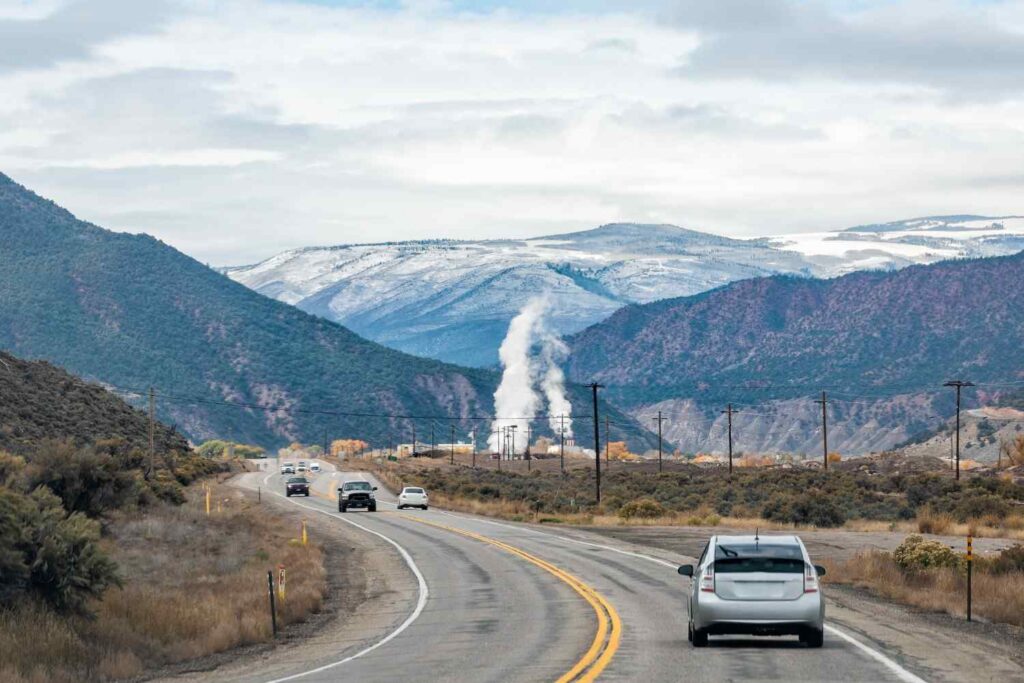
Tips for Driving Through Wildfire Smoke
The safest option is to avoid an active fire area whenever possible. Check road conditions before leaving and follow all closures, evacuation notices, and instructions from law enforcement.
If you must drive through smoke, keep these precautions in mind:
Use your headlights, but not your high beams.
High beams can reflect off smoke and make it even harder to see. Low-beam headlights also make your vehicle easier for other drivers to spot.
Slow down and leave more room.
A normal following distance may not be enough when you cannot see what is happening ahead. Give yourself additional time to react.
Use the road markings as a guide.
When visibility is poor, the painted line along the edge of the road can help you stay in your lane.
Keep your movements predictable.
Avoid sudden braking, sharp lane changes, or unnecessary stops. Other drivers may not see you until they are very close.
Close the windows and use recirculated air.
This can reduce the amount of smoke and ash entering the vehicle.
Watch for debris and wildlife.
Ash, branches, embers, rocks, and downed trees may be present near an active fire. Animals may also enter the roadway without warning.
Give emergency vehicles plenty of room.
Fire trucks, ambulances, utility vehicles, and law enforcement may need to move quickly through the area.
Once you are safely clear of the smoke, inspect your vehicle.
Ash can clog air filters and scratch glass or paint. Rinse it away with water rather than wiping it across a dry surface.
Who Is Liable for a Crash in Wildfire Smoke?
Reduced visibility doesn’t let anyone off the hook. If anything, it raises the bar. Colorado’s negligence standards expect every driver to adjust their speed, following distance, and attention to match the conditions in front of them, smoke included. So when a crash happens in these conditions, fault usually comes down to whose driving fell short of what a careful person would have done.
Think about a few real situations. If you slow down appropriately in heavy smoke and get rear-ended, the driver behind you probably didn’t leave enough space, and that’s likely on them. If a driver skips their headlights when visibility calls for them, or keeps normal speed through smoke thick enough to hide the road, that can support a negligence claim too. And in some cases, if poor signage, missing warnings, or a road that should have been closed played a role, a government agency may share responsibility.
These claims get complicated fast, mostly because insurers like to write off smoke-related crashes as unavoidable accidents rather than the result of someone not adjusting how they drove. That’s exactly why documentation matters so much.
Helpful information may include:
- Dashcam footage
- Photographs or video of the visibility conditions
- Witness statements
- Colorado State Patrol or police reports
- Road-closure and emergency-alert records
- Weather, wind, and air-quality data
- Vehicle data showing speed or braking
The more clearly the conditions are documented, the harder it may be for an insurer to dismiss the crash as unavoidable.
What to Do After a Wildfire-Related Crash
Get to safety first. Then get checked out medically, even if you feel okay, since smoke inhalation and adrenaline have a way of masking real injuries.
Once you’re safe, document what you can: photos of the scene, the visibility conditions, and any damage to your vehicle. Talk to an attorney before you accept anything from an insurance company, especially since these cases often involve multiple parties and evidence that’s a little unusual. It’s a scary, stressful situation to be in, and you shouldn’t have to sort it out alone.
The O’Sullivan Law Firm has helped injured Coloradans after serious crashes for more than 25 years. If another driver failed to adjust to dangerous smoke conditions, the firm can help determine what happened, identify who may be responsible, and pursue the full compensation available.
Call or text The O’Sullivan Law Firm at 303-388-5304 for a free conversation with an experienced Colorado personal injury attorney.
