- Home
- About
- Practice Areas
- Personal Injury Overview
- Car Accidents
- Bicycle Accidents
- Burn Injury
- Brain Injury
- Dog Bite
- Vibrio Vulnificus
- Infection from Saline Solution
- Motorcycle Accidents
- Pedestrian Accident
- Product Liability
- Scooter Accident
- Slip and Fall Accidents
- Spinal Cord Injury
- Underinsured Driver Accident
- Rideshare Accident
- Truck Accident
- Wrongful Death
- View All +
- Testimonials
- Resources
- Cities
- Español
- Contact

Helping Colorado’s accident
victims for over 25 years.
victims for over 25 years.
Motorcycle Season Is Back in Colorado. Here’s What Drivers Forget Every Spring.
POSTED BY
March 20, 2026
Motorcycle Accidents
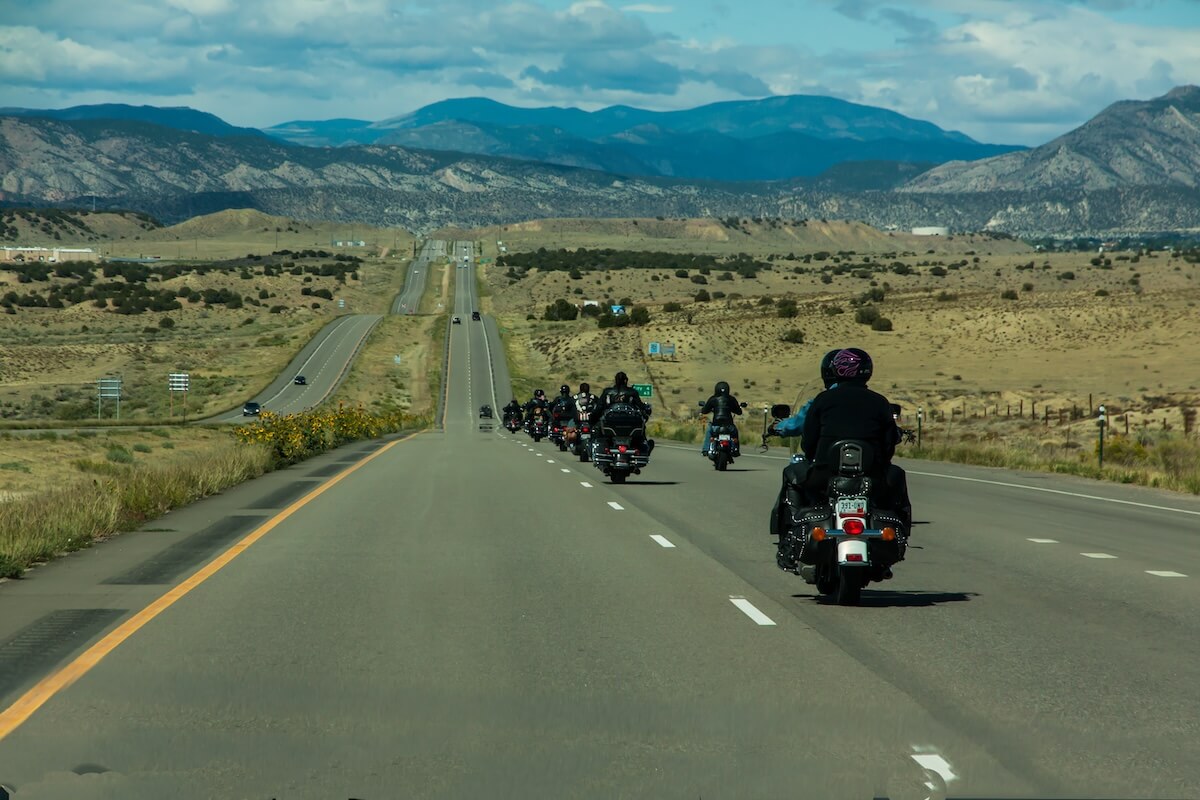
When the weather warms in Colorado, motorcycles return to the roads almost overnight. A few sunny days in March and April are all it takes. Riders who have been waiting through winter finally roll out. At the same time, drivers shift mentally into spring mode and often forget that motorcycles are back in traffic.
Every year, early-season crashes follow this exact pattern.
“We see it every spring. The first warm weekends bring riders back out, but many drivers haven’t mentally adjusted yet. That gap in awareness is when a lot of crashes happen.” – Scott O’Sullivan, Colorado motorcycle attorney
At The O’Sullivan Law Firm, Scott O’Sullivan and his team have represented injured motorcyclists across Denver and throughout Colorado for decades. We know the trends. We see the patterns. And we see how quickly a beautiful riding day can turn into a life-changing injury when drivers fail to adjust.
Here is what drivers forget every spring and what riders need to know to protect themselves.
“I Didn’t See the Motorcycle” Is the Most Common Excuse
The most common statement after a motorcycle crash is simple: I didn’t see them.
“In motorcycle cases, ‘I didn’t see the rider’ is something we hear all the time. But from a legal standpoint, drivers are responsible for watching the road and noticing traffic around them. Failing to see a motorcycle often means the driver simply wasn’t paying enough attention.” – Scott O’Sullivan
Left-turn collisions are especially common. A driver turns across traffic at an intersection, misjudges distance or speed, and strikes a rider traveling straight through. Other frequent scenarios include unsafe lane changes, merging without checking blind spots, and drivers pulling out from side streets.
The law in Colorado requires every driver to maintain a proper lookout. Failing to see a motorcycle is not a defense. It is often proof of negligence.
Motorcycles are smaller, but they are not invisible. Drivers must yield the right of way just as they would to any other vehicle. When they fail to do so, the consequences for riders are severe.
Scott and his team investigate these crashes carefully. We examine intersection sightlines, traffic camera footage, dash cam recordings, vehicle data, and witness statements. We build cases that demonstrate exactly how and why a driver failed to operate safely.
Early-Season Riding Risks Are Real
Spring riding comes with its own hazards.
First, there is road debris. Sand, gravel, and leftover winter materials accumulate near intersections and in curves. Even a small patch can reduce traction significantly.
Second, pavement temperatures remain cold in the mornings and evenings. Tires do not grip as effectively in lower temperatures, especially during freeze and thaw cycles.
Third, drivers simply are not conditioned to look for motorcycles yet. Throughout winter, they rarely encounter them. That lapse in awareness leads to dangerous decisions at intersections and during lane changes.
“Early spring is one of the most dangerous times of year for riders. While this year is a little different with the unseasonably warm winter we’ve had, drivers often haven’t seen motorcycles in months, and that lack of familiarity leads to mistakes at intersections and during lane changes.” – Scott O’Sullivan
Insurance companies sometimes try to suggest that early-season riding is inherently risky. That argument is misleading. Riding in March or April is legal. It is common. And it does not excuse careless driving by others.
Helmet Laws and Comparative Fault in Colorado
Colorado law requires riders under 18 to wear helmets. Adult riders are not legally required to wear one.
Insurance companies often try to use helmet use to reduce the value of a claim. They may argue that certain head injuries would have been less severe with a helmet. In some cases, that argument can affect damages related to specific injuries. But it does not eliminate liability for the crash itself.
Colorado follows a modified comparative negligence system. That means fault can be shared. However, a driver who violates traffic laws or fails to yield remains responsible for their portion of fault.
At The O’Sullivan Law Firm, we address these arguments head on. We work with medical experts and accident reconstruction professionals to ensure that liability and damages are clearly supported by evidence.
Insurance Bias Against Motorcyclists
Motorcyclists often face unfair stereotypes. Insurers sometimes imply that riders assume greater risk simply by choosing to ride. That is not how the law works.
“Insurance companies sometimes assume a rider must have been speeding or taking risks. Our job is to focus the case on the evidence and show exactly how the crash actually happened.” – Scott O’Sullivan
Motorcyclists have the same rights to the road as any other driver. When they are injured because someone else failed to operate safely, they are entitled to compensation for medical expenses, lost wages, pain and suffering, and long-term care needs.
Scott O’Sullivan intentionally maintains a manageable caseload so that each client receives focused attention. Serious motorcycle cases require detailed preparation. Traumatic brain injuries, spinal injuries, orthopedic fractures, and internal trauma demand long-term medical evaluation and careful documentation.
We are not interested in rushing a case for a quick settlement. We prepare every case thoroughly and position it as if it may go to trial. That preparation changes how insurance companies evaluate risk.
Rider Justice: Advocacy for Colorado Motorcyclists
Rider Justice is the motorcycle advocacy arm of The O’Sullivan Law Firm. It exists because riders deserve more than legal representation after a crash. They deserve education, community support, and strong advocacy.
Through Rider Justice, we support group rides, safety initiatives, and legislative awareness efforts across Colorado. We engage directly with the riding community. We attend events. We listen. We show up.
Rider Justice focuses on promoting motorcycle awareness among drivers and encouraging safe riding practices. Advocacy is not just about litigation. It is about preventing crashes before they happen.
When a rider is injured and calls our firm, they are working with a team that understands motorcycle culture and respects the people who ride.
What to Do Immediately After a Motorcycle Crash
If you are involved in a motorcycle crash, your actions in the first hours and days matter.
- Assuming you are capable, call law enforcement to ensure a report is made.
- Document the scene if possible. Take photos of vehicles, roadway conditions, and traffic signals. Everything.
- Collect witness information.
- Seek medical attention, even if injuries seem minor. Adrenaline masks pain. Also very important for the paper trail down the line.
- Avoid giving recorded statements to insurance companies without legal guidance.
- If you’re riding with a friend who goes down hard, do this for them after they head to the hospital.
💡Pro Tip: If you really want to be useful after a motorcycle crash: take an accident scene management course.
Early decisions affect long-term outcomes. Evidence can disappear quickly. Stories change. Surveillance footage is overwritten. Vehicles are repaired. Witnesses move on.
Our team begins investigations immediately. We secure evidence, consult experts, and ensure that our clients’ injuries are fully documented before engaging in serious settlement discussions.
Colorado Roads Are Shared Roads
Motorcycle season is not a surprise. It happens every year. Drivers must adjust their awareness accordingly.
“Motorcycles have the same right to the road as any other vehicle. Drivers just need to slow down, look carefully, and remember that riders are out there.” – Scott O’Sullivan
Motorcyclists deserve vigilance from others on the road. They deserve fair treatment from insurance companies. And when they are injured because someone else was careless, they deserve strong legal representation.
Scott O’Sullivan and his team have spent decades standing up for injured riders in Denver and throughout Colorado. Through both The O’Sullivan Law Firm and Rider Justice, we remain committed to protecting those who need it.
If you or someone you love has been injured in a motorcycle crash, call or text 303-388-5304 for free advice.
